


Break the Endless “Proposal → Sample” Loop: On-Site Inspection & Sourcing Efficiency Guide for China Wholesale Markets
For businesses operating e-commerce stores such as Amazon, Rakuten, and Yahoo! Shopping, as well as brick-and-mortar retailers, select shops, apparel chains, and wholesalers across Japan, supply chain responsiveness can be the difference between a business plan succeeding or falling behind.
However, the traditional cross-border sourcing process—from “supplier proposals” to “receiving samples”—is highly inefficient. Communicating requirements, reviewing and shipping samples, and arranging international delivery can take several weeks. Even after all that waiting, the samples may arrive with issues such as “the fabric feels different,” “the color is significantly off,” or “the stitching is poorly finished.” Reordering samples can mean missing the prime selling window while wasting substantial time and shipping costs.
For categories such as apparel, leather goods, and fashion accessories, where “look, feel, and material quality” matter, it is difficult to communicate detailed requirements with complete accuracy through online communication alone. As a result, the chances of receiving samples that truly match your needs can drop significantly.
The fundamental solution is to visit wholesale markets in China in person and inspect and select products (merchandising) firsthand. This article explains why on-site product selection can increase sourcing efficiency by up to 10 times, along with the key wholesale markets and practical strategies Japanese buyers should know.
1. Why is checking products in person so much more efficient than having samples shipped?
Relying on online communication and sample shipments significantly slows down decision-making. Visiting suppliers and markets in person can dramatically improve efficiency across every stage of the sourcing process.
① Compare hundreds of products in a single day | 10× greater product-selection efficiency
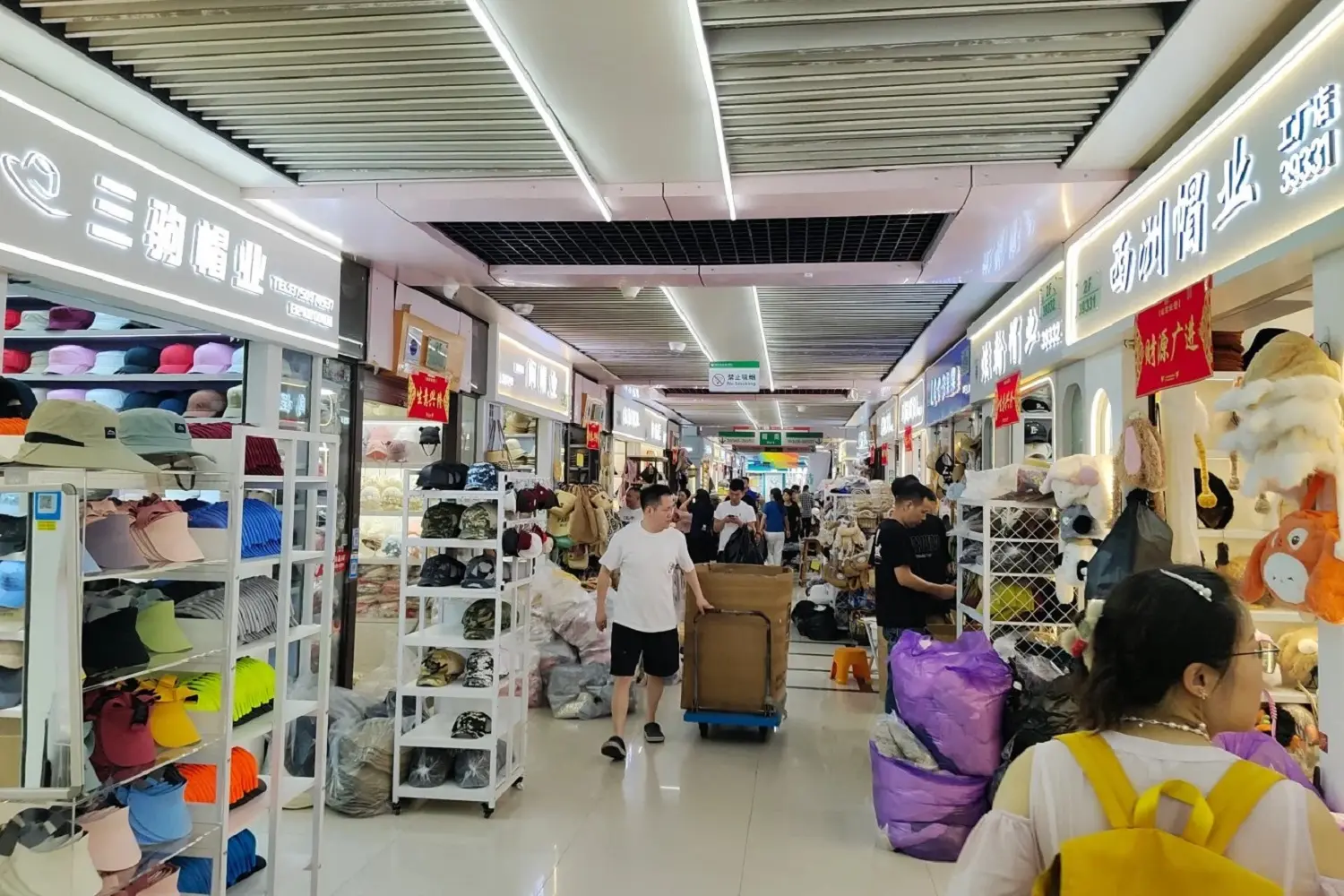
With conventional sample shipping, you may only be able to review a dozen or so products in a month. At Chinese wholesale markets, however, you can touch and compare hundreds of mass-production products (bulk goods) in a single day. Product inspection, price negotiation, and specification decisions can all be handled on the spot, compressing a product development cycle that once took weeks into just a few days.
② Eliminate gaps caused by photo editing and lighting
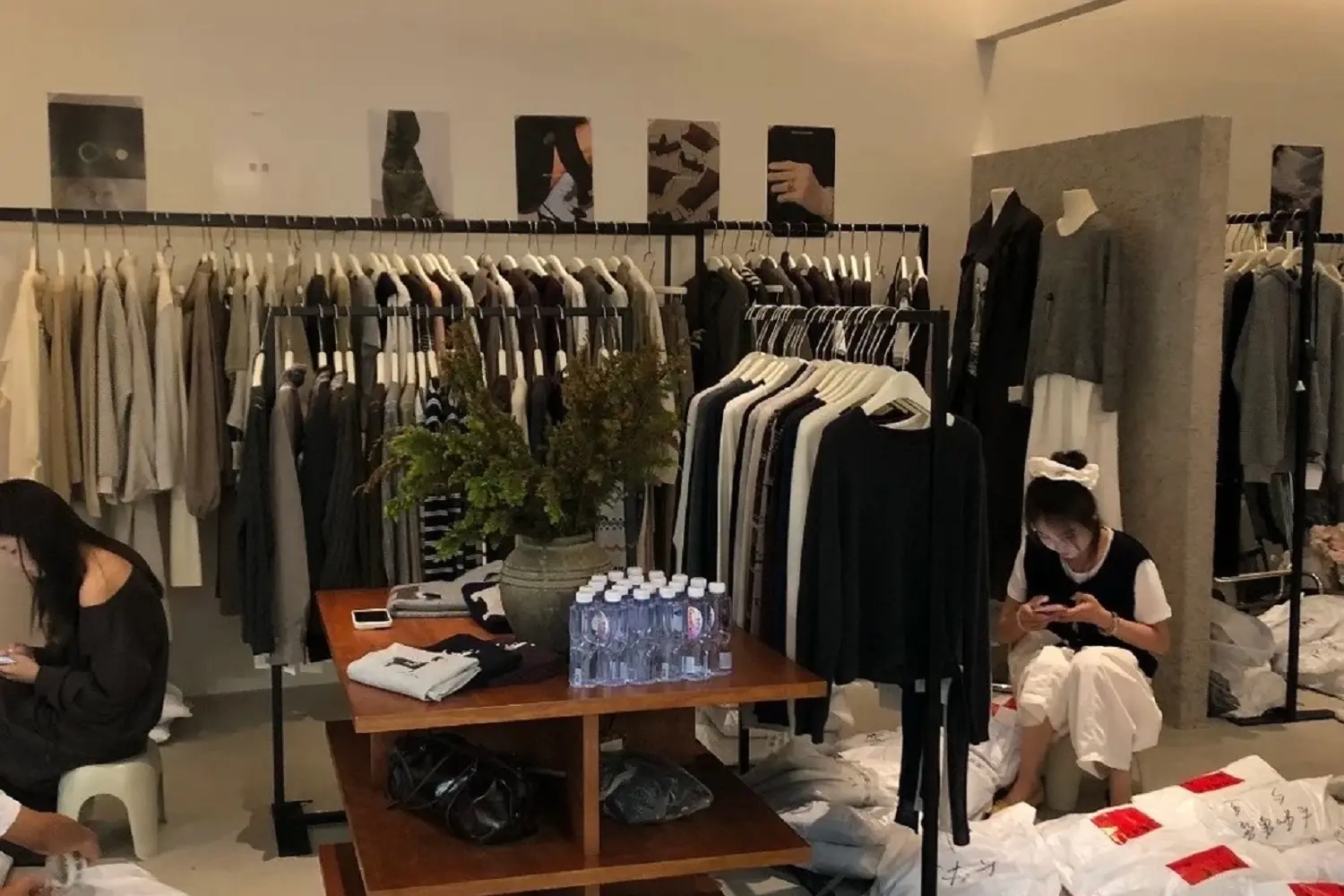
Product photos and videos can hide quality issues through lighting and retouching, but they cannot disguise the actual texture and feel of the product. On site, you can immediately verify the following:
- True fabric texture: Check the actual feel and composition of wool and silk, as well as whether synthetic fibers such as polyester have an obviously cheap feel.
- Accurate colors in natural light: Avoid color differences caused by studio lighting and reduce the risk of customer complaints after the goods arrive in Japan.
- Stitching and finishing details: Check piping, loose-thread finishing, zipper smoothness, and other details on the spot.
③ Agree on Japanese quality standards and MOQ on the spot
Quality requirements that are difficult to communicate by email can be specified clearly when you have the actual product in front of you—for example, “maintain this stitching density” or “remove all loose threads before shipment.” At the same time, negotiating a small-batch test order with a lower MOQ becomes much smoother.
2. Key specialized wholesale markets in China for Japanese buyers
China is home to enormous specialized wholesale markets where specific industries and product categories are concentrated. Going directly to the market that matches your sourcing needs can make procurement far more efficient.
【Yiwu International Trade Market】A massive market for daily goods, lifestyle products, and accessories
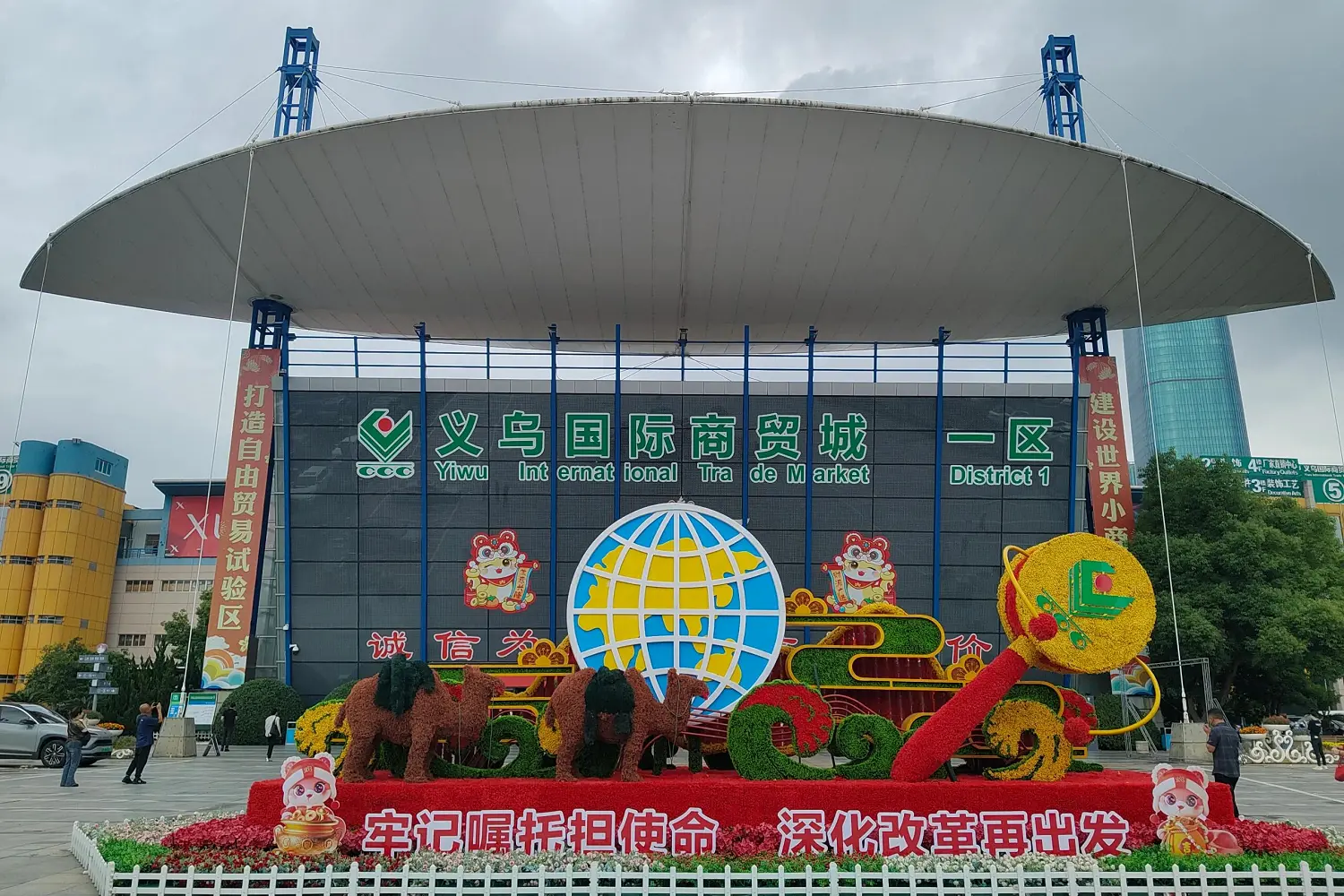
- Products: Household goods, stationery, toys, fashion accessories, home décor, and more.
- Market profile: One of the world’s largest wholesale markets for small commodities and general merchandise.
- What to check on site: The actual quality of low-priced products and the finish of promotional goods. Negotiate MOQ requirements for small-batch testing, focusing mainly on Districts 1 and 4.
【Hangzhou Sijiqing Garment Wholesale Market】A major hub for Hangzhou-style women’s apparel
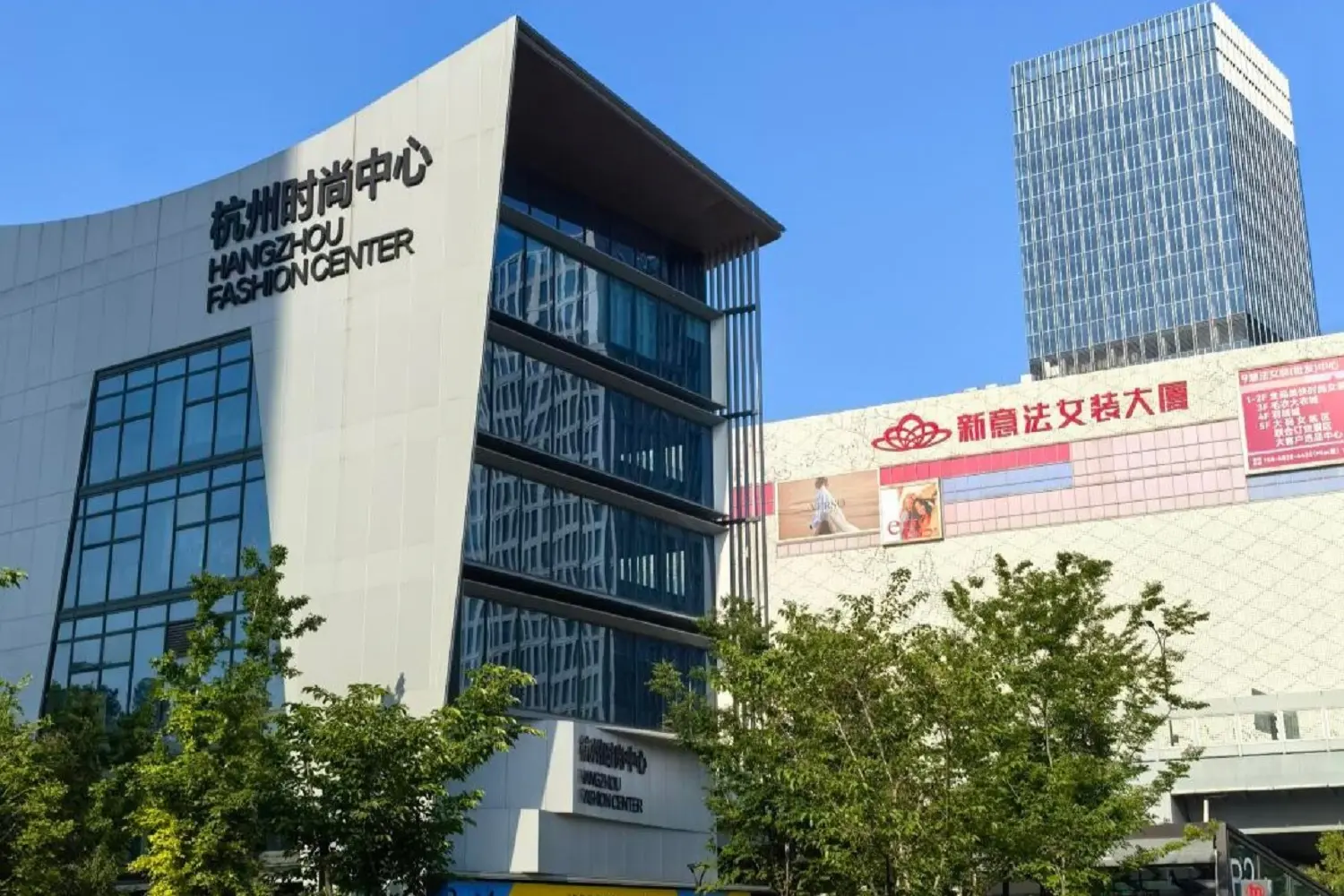
- Products: Hangzhou-style women’s apparel, original silk products, modern Chinese-inspired styles, Korean-style minimalist fashion, polished workwear, fast fashion, and more.
- Market profile: Comprising more than 20 specialized markets, with China Clothing First Street on Hanghai Road at its core. The market is broadly divided into “first-tier wholesale” (factory-direct, high MOQ, lower prices, no returns) and “second-tier wholesale” (single-item purchasing available, suitable for test orders). Compared with Guangzhou fast fashion, the market generally focuses on mid- to high-priced products with stronger patterns and quality.
- What to check on site: Verify fabric yarn count and composition, and inspect lining, stitch density, and waist reinforcement. Confirm MOQ, assortment requirements, and return/exchange policies in advance.
【Haining China Leather City】A major sourcing center for leather and fur
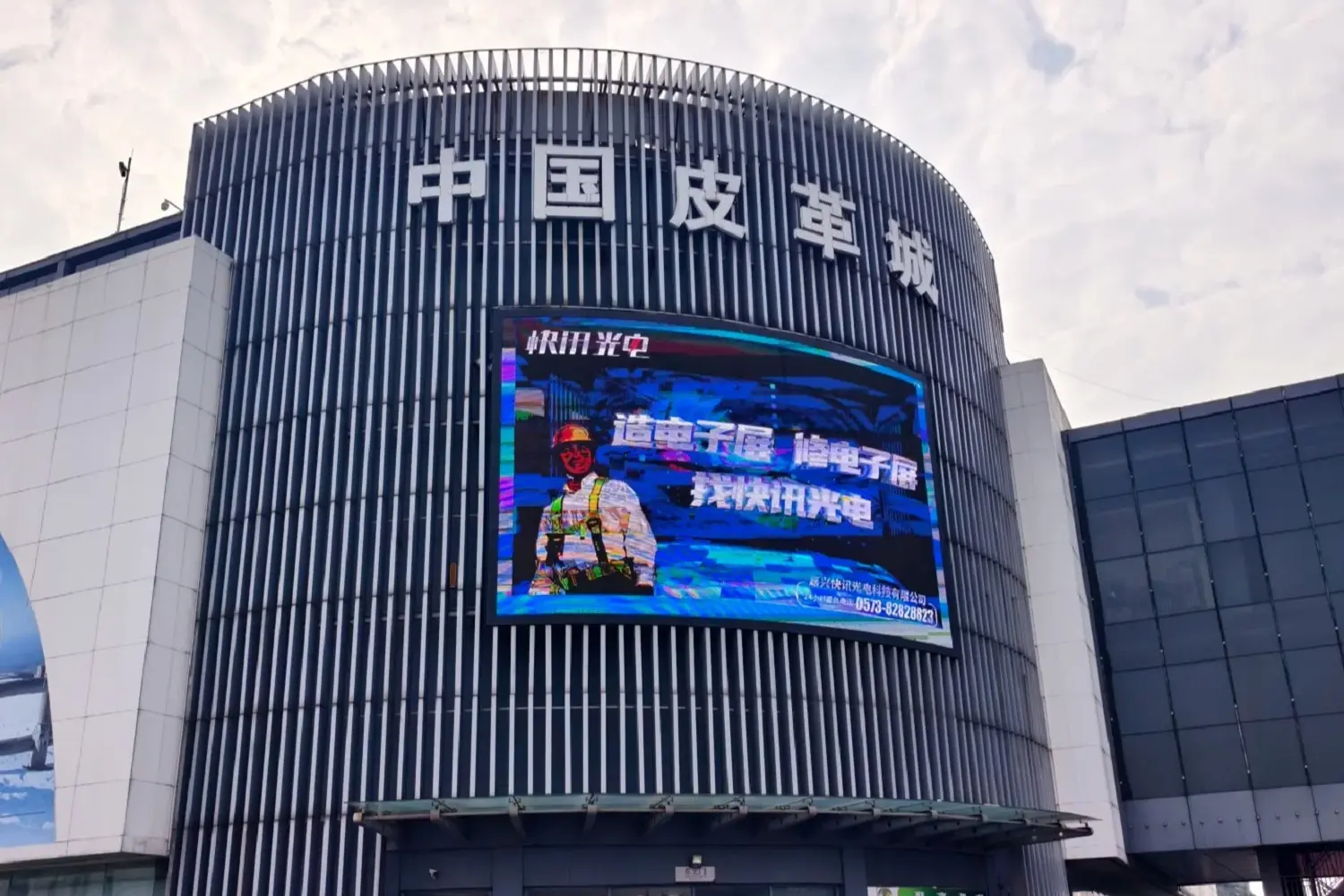
- Products: Genuine leather jackets, fur coats, leather bags, leather accessories and components, and more.
- Market profile: An integrated supply chain spanning raw hide sourcing, product design and development, and apparel manufacturing.
- What to check on site: Distinguish genuine leather from PU leather by touch and smell, and check leather stretch, surface consistency, and the finish of metal hardware such as zippers and buckles.
【Guangzhou Apparel Wholesale Markets】Shisanhang / Baima Garment Market
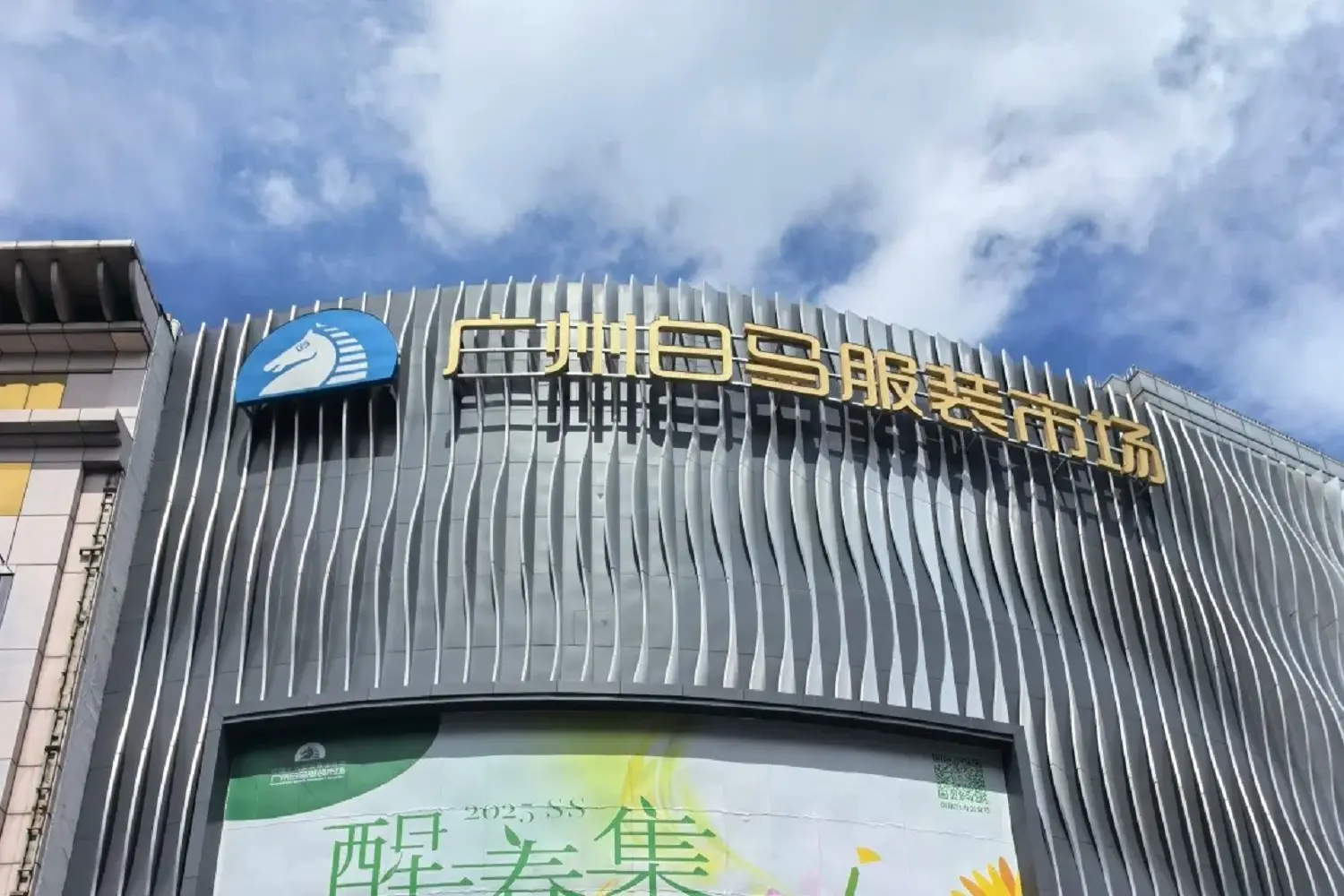
- Products: Women’s apparel, trend-driven fashion, fast fashion, and more.
- Market profile: Baima is known for higher-quality, carefully finished mid- to high-priced apparel, while Shisanhang is a strong source of trend-led and hit products.
- What to check on site: Fabric drape, stitch density, and whether the sizing fits the target customer segment in Japan.
The markets above are representative examples. For detailed market layouts, store distribution, transportation access, and recommended routes, please refer to our dedicated articles on each market.
3. Common problems during on-site sourcing and practical solutions
On-site sourcing offers major advantages, but without the right know-how, it can also involve the following risks.
| Common on-site problems | What happens in practice | Practical solution |
|---|---|---|
| Inefficiency and rising costs due to insufficient planning | Wandering through markets without a plan can quickly drain your time and energy. Transportation and accommodation costs add up, yet you may still struggle to find the right suppliers. | Define your target categories and budget in advance and plan the sourcing route. Alternatively, use local resources to shortlist reliable stores before the visit. |
| Quality gap between samples and mass-production goods | High-quality “display samples” may be shown in stores, while actual mass-production goods may carry a risk of lower quality. | Specify in the contract that “mass-production goods must meet the same quality standard as the sample approved on site,” and conduct an on-site inspection before shipment. |
| Differences in quality standards and language barriers | Strict requirements specific to the Japanese market—such as loose-thread removal, minor scratches and stains, and packaging methods—may not be communicated clearly on site. | Have a Japanese-Chinese bilingual business attendant who understands both Japanese quality standards and local business practices accompany the visit. |
| Difficult MOQ negotiations | Stores may require orders of more than 1,000 units per color, making it difficult for buyers who want to start with a test order. | Leverage the sourcing agent’s long-standing relationships with stores to negotiate a smaller test order. |
| Unable to meet Japan-specific requirements (JAN codes and Japanese labeling) | Wholesale stores often provide only basic packaging and may not support JAN-code labeling or the inclusion of Japanese instruction manuals. | After ordering, consolidate the goods at a local partner warehouse and handle sorting, JAN-code labeling, and replacement with Japanese labeling in one process before export. |
4. How to build an efficient China sourcing tour
For buyers who want to maximize results within limited time, working with a partner who understands Japanese market standards and has the capability to handle on-the-ground operations can be highly effective.
A reliable local sourcing partner can provide strong support throughout the following process:
- Pre-visit matching and route optimization: Select the most suitable stores based on your target products and design an efficient route. This helps prevent unnecessary costs caused by unplanned travel.
- Full on-site support: Beyond language interpretation, support negotiations on quality, pricing, and MOQ reductions from the buyer’s perspective.
- Post-order quality control and logistics setup: After factory shipment, arrange collection at a local warehouse, secondary inspection to Japanese standards (thread trimming, JAN-code labeling, manual replacement, etc.), customs clearance, and international logistics as one integrated process.
Take control of your supply chain through a field-first approach
The traditional sourcing model of “waiting for samples to arrive” always carries the risk of lost time and quality mismatches. Going directly to specialized wholesale markets in China and “touching products on site, evaluating quality on site, and finalizing specifications on site” is the key to faster product launches and stronger margins.
If you are looking to improve sourcing efficiency or plan a visit to Chinese wholesale markets and a guided sourcing tour, we recommend consulting a professional team that can provide practical on-the-ground support before your trip.