


[2026 Guide] How to Reduce Tariffs on China Sourcing & OEM via RCEP
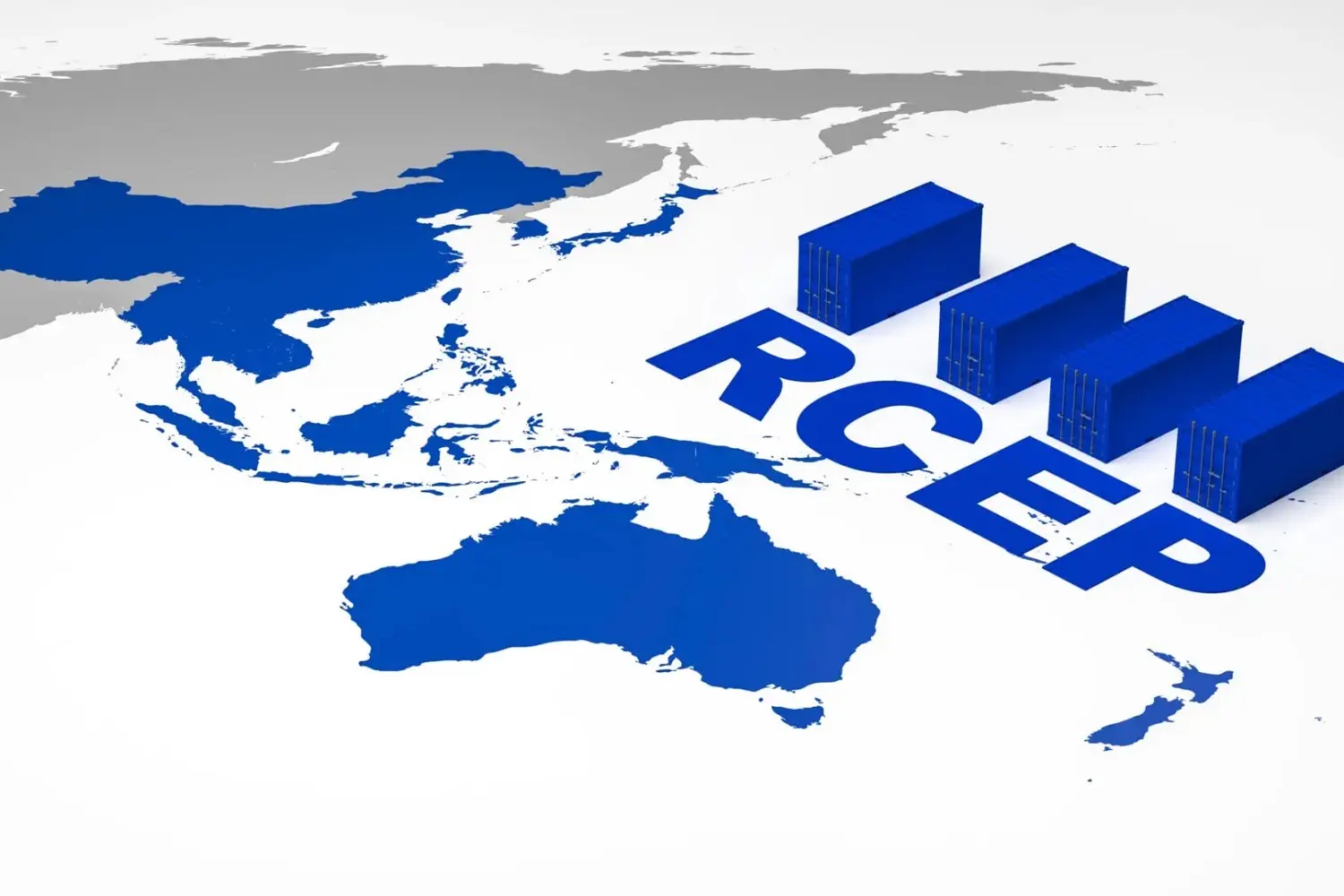
Amid ongoing fluctuations in exchange rates, raw material pricing, and international logistics, tariff optimization has become a vital strategy for businesses importing goods from China to Japan to reduce overall Landed Costs. This guide explains the practical steps to lower tariffs under the Regional Comprehensive Economic Partnership (RCEP) when sourcing consumer items—such as bags, toys, lifestyle merchandise, and fashion accessories—covering 10-digit HS code classification, Rules of Origin (PSR) criteria, and OEM procurement cost optimization.
1. Why Japanese Importers Should Focus on RCEP Today
With persistent currency shifts, rising raw material fees, and fluctuating ocean/air freight charges, businesses sourcing products from China must look beyond the initial FOB or CIF quote. Optimizing the total Landed Cost—which incorporates customs duties and import taxes—is now critical to maintaining profit margins.
When importing or custom-manufacturing (OEM) consumer goods like bags, toys, household novelties, and fashion jewelry from China, RCEP offers one of the most effective tools for tax reduction. If products originating in China satisfy the RCEP Rules of Origin, importers can apply reduced RCEP preferential tariff rates instead of standard MFN (Most-Favored-Nation) rates based on Japan’s duty concession schedules.
Key Takeaway: RCEP does not grant blanket, duty-free status to all Chinese goods automatically. Duty reductions cannot be determined solely by a product’s name or its generic 4-digit HS code. Instead, eligibility and staged rate cuts must be confirmed at the granular 10-digit tariff code level in Japan’s Customs Tariff Schedule.
2. How Much Can RCEP Reduce Tariffs on Chinese Products?
While China serves as a global supply hub for bags, toys, home goods, and jewelry, applicable duties vary significantly depending on Japan’s specific 10-digit statistical tariff numbers, which categorize goods by material, structure, and intended function.
| Product Category | Primary HS Code (4-Digit) | Tariff & RCEP Application Features |
|---|---|---|
| Bags & Luggage | HS 4202 Series | Includes suitcases, handbags, and backpacks. WTO and RCEP rates are finely subdivided across statistical codes; some subheadings feature gradual duty reductions, while others have exceptions. |
| Toys & Hobbies | HS 9503 Series | Includes educational toys, puzzles, models, and plush toys. While many items are already duty-free under WTO rates, specific subcategories carry remaining duties where RCEP preferential rates apply. |
| General Goods & Household Items | Various Chapters | Includes storage items, stationery, kitchenware, and plastic products. Because no single HS code exists for general merchandise, items are classified across different Chapters based on composition (resin, metal, wood) and usage. |
| Fashion Accessories & Jewelry | HS 7117 Series etc. | Imitation jewelry. Statistical codes differ based on base materials (plated gold, base metals, glass) and structural design, affecting the corresponding RCEP tariff reduction timelines. |
Example of Duty Reduction Calculation
- CIF Price (Cost, Insurance, and Freight): ¥10,000,000
- Standard WTO MFN Duty Rate: 8%
- Applicable RCEP Preferential Rate: 5%
In this scenario, the importer saves ¥300,000 directly in tariff costs alone. Furthermore, because import consumption tax (10%) is calculated based on the CIF price plus duty amount, lowering the tariff reduces total cash outlay and improves operational cash flow.
3. Meeting Rules of Origin Is Key, Not Just “Made in China”
Simply manufacturing or shipping a product from a Chinese factory does not automatically qualify it for RCEP preferential treatment. To gain tariff concessions, the product must fulfill the Product Specific Rules (PSR) set out in the RCEP agreement.
Primary Origin Criteria Types
-
Change in Tariff Classification (CTC Rule):
- CC (Change at the 2-digit Chapter level)
- CTH (Change at the 4-digit Heading level)
- CTSH (Change at the 6-digit Subheading level)
-
Regional Value Content (RVC Rule):
- Example: RVC 40% (at least 40% of the value must be added within RCEP member nations).
-
Specific Processing Rules:
- Requires precise manufacturing steps, such as specific chemical reactions or textile processing methods.
For OEM manufacturing, buyers must confirm whether the supplier sources raw materials domestically within China or imports them from third-party nations. Supply chain details should be audited during the early specification phase prior to mass production.
4. RCEP Certificate of Origin (CO) Requirements and Pitfalls
To claim preferential treatment upon importation into Japan, proper origin documentation is required. RCEP accepts several proof-of-origin methods:
- Certificate of Origin Issued by Authorized Authorities: Issued by China Customs or the China Council for the Promotion of International Trade (CCPIT) as “Form RCEP”.
- Origin Declaration by Approved Exporters: Issued directly by exporters certified by local authorities.
- Importer/Exporter Self-Declaration (Phased Implementation): Statements produced according to standard RCEP origin declarations.
Checking Document Consistency
Details on the Certificate of Origin must align perfectly with the Commercial Invoice, Packing List, and Bill of Lading (B/L or AWB). Key data points—including product description, quantities, HS codes, invoice numbers, and origin criteria—must match. Discrepancies can trigger customs verification, leading to shipment delays or denial of preferential duty rates.
5. Why Integrate RCEP Conditions During the OEM Quoting Phase
To maximize RCEP benefits, Japanese businesses and e-commerce sellers should evaluate projects using a comprehensive Landed Cost model rather than comparing initial supplier FOB quotes alone.
Key OEM Procurement Checkpoints
- Landed Cost Evaluation: A higher FOB quote from an RCEP-compliant factory may yield a lower final warehouse delivery price if duty rates drop significantly or reach 0%.
- Impact on Tax Base: Japanese import consumption tax is calculated as (CIF Value + Duty Amount) × 10%. Lowering the duty directly minimizes tax payments, easing cash flow burdens.
-
Regulatory & Quality Compliance in Japan:
- Sewn Products (Bags/Apparel): Needle inspection certificates, colorfastness, and fiber labeling.
- Toys & Kids Products: Food Sanitation Act (toys for children under 3), ST standards, and safety testing.
- Merchandise & Accessories: Heavy metal regulations (lead, nickel, cadmium) and Household Goods Quality Labeling Act.
6. Six Steps to Secure RCEP Cost Advantages
Following a standard operating procedure (SOP) during product sourcing and OEM development helps businesses manage customs risks while securing meaningful savings.
- [Step 1] Determine the 10-Digit HS Code: Confirm the exact statistical code in Japan’s Customs Tariff Schedule using product specs and material sheets.
- [Step 2] Verify Applicable RCEP Duty Rates: Compare current-year RCEP preferential rates against standard MFN duty rates.
- [Step 3] Evaluate Rules of Origin (PSR): Determine whether the item meets CC, CTH, CTSH, or RVC requirements based on sourcing origins.
- [Step 4] Calculate Total Landed Cost: Model the complete cost structure: Factory Quote + Freight + RCEP Duty + Import Consumption Tax.
- [Step 5] Conduct Sample Inspection & Compliance Verification: Confirm adherence to Japanese import regulations (Food Sanitation Act, needle inspection, etc.).
- [Step 6] Issue Purchase Order, Obtain CO, and Clear Customs: Coordinate with the manufacturer and customs broker to secure Form RCEP matching shipping documents.
7. Frequently Asked Questions
8. Official References and Resources
For accurate tariff lookups and official origin criteria determinations, consult official Japanese government resources: