


Total Sourcing Cost in Yiwu: What Really Matters | Yiwu Sourcing
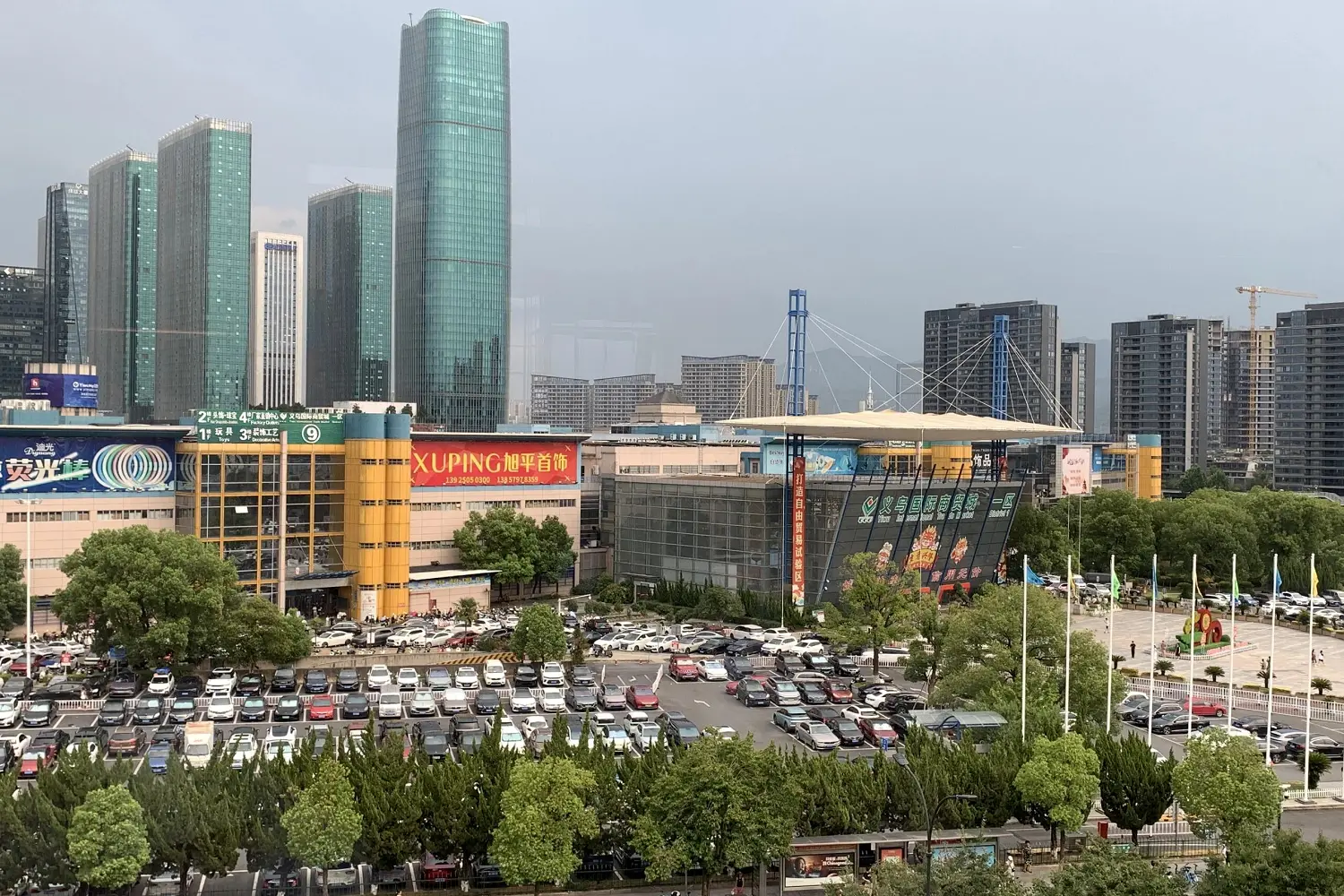
Yiwu, also known as Yiwu Market or the Yiwu International Trade Market, is one of the world’s largest wholesale markets. It brings together suppliers offering a wide range of products, including household goods, accessories, toys, stationery, outdoor products, apparel, and packaging materials.
With its extensive supplier base and ability to support diversified sourcing, Yiwu has become an attractive sourcing destination for Japanese retailers, trading companies, wholesalers, and e-commerce businesses.
However, once companies actually begin sourcing from Yiwu, many face the same question:
“We can find the products we need. But are we really keeping our overall sourcing costs under control?”
The cost of sourcing is not simply the purchase price of the products.What matters is the total sourcing cost, including everything from procurement and transportation to your own warehouse, as well as inventory and related management costs.
In this article, we look at the total cost structure of sourcing from Yiwu from four key perspectives.
Don’t Focus Only on the Quoted Price — Match MOQ with Your Sales Plan
When comparing supplier quotations, it is natural to focus on the unit price.However, the MOQ (Minimum Order Quantity) is just as important.
For example:
| Supplier | Unit Price | MOQ |
|---|---|---|
| Supplier A | 1.80 CNY / piece | 2,000 pieces |
| Supplier B | 1.90 CNY / piece | 500 pieces |
Supplier B has a slightly higher unit price, but its lower MOQ may reduce inventory risk. Depending on your sales volume, the total sourcing cost may ultimately be lower.
There are also costs that are easily overlooked:
- Warehouse storage costs: The larger the order, the greater the risk of holding inventory for a long period, increasing storage and inventory management costs.
- Working capital costs: When purchasing funds remain tied up in inventory for a long time, the opportunity cost should not be ignored.
Therefore, order quantities should always be considered in relation to your sales forecast and inventory turnover.
Ordering large quantities simply because the unit price is lower can actually increase your total cost when the order volume does not match your sales plan.
Understand Logistics Costs as a Whole — Packaging, Volume, and Freight Terms
Even when the product price is low, high transportation costs can significantly increase the total sourcing cost.
In international transportation, cargo volume (CBM) can have a major impact on freight costs.
Key points to check include:
- Number of units per carton and outer carton dimensions
- Whether the packaging is reducing transportation efficiency
- What transportation costs are included in the quoted factory price and under which Incoterms
Another important factor is how the transportation is arranged.
There are several options:
- Logistics arranged by the supplier
- Logistics arranged by your own company
- Using a third-party sourcing or logistics provider
When working with a professional sourcing or logistics provider, shipments from multiple suppliers can sometimes be consolidated. This can improve transportation efficiency and, depending on the shipment volume, result in more competitive freight rates even for relatively small orders.
Professional operators that handle large volumes of cargo on a daily basis may also have more stable freight arrangements than companies arranging individual shipments themselves.
For this reason, including professional logistics or sourcing services as one of the options to compare can itself contribute to cost reduction.
Consider Quality Risks — Yiwu’s Price Competition and Japanese Quality Requirements
Yiwu is a highly competitive wholesale market where buyers from around the world source products. Price competition among suppliers is therefore intense.
As a result, some suppliers may offer exceptionally low prices in order to win orders.
If the gap between price and quality is overlooked, additional costs may arise, including:
- Transportation and customs costs for defective products: Even defective goods may still incur transportation and customs-related costs.
- Inspection and sorting costs in Japan: Additional work after arrival requires both labor and time.
- Customer complaint handling costs: Complaints from end customers can also damage brand credibility.
Therefore, instead of simply choosing the cheapest supplier, companies should consider options such as:
- Selecting suppliers with proven track records
- Using third-party inspection services when necessary
- Outsourcing procurement to a sourcing agent that can also handle quality control
These options should be evaluated based on their overall cost-effectiveness.
Make Time and Management Costs Visible — Managing Multiple SKUs and Suppliers
One of Yiwu’s greatest strengths is the diversity of its supplier base.
At the same time, however, working with more suppliers inevitably increases the amount of coordination required.
When sourcing a large number of SKUs from multiple suppliers, companies may need to handle:
- Individual quotation adjustments, orders, and delivery schedules with each supplier
- Quality checks and inspection arrangements
- Consolidation of shipments and export documentation
All of this creates a significant amount of communication and management time.
When multiple shipments need to be exported together, using a consolidation facility in Yiwu can also be effective. Shipments from different suppliers can be collected at one location and then inspected, quantity-checked, and repacked before export.
A centralized management system can help achieve:
- Lower transportation costs through cargo consolidation
- Reduced risks of delivery delays, misdirected shipments, and packaging problems
- Fewer customs issues through standardized export documentation
The more suppliers you work with, the more important an efficient management system becomes.
Conclusion: Compare the Total Sourcing Cost When Buying from Yiwu
The real goal of cost reduction when sourcing from Yiwu is not simply to find out who offers the lowest price.
What matters is determining which sourcing plan is the most cost-effective and practical overall.
The key factors to consider include:
| Cost Item | Key Evaluation Points |
|---|---|
| Product price | Confirm that products are being compared under the same specifications |
| MOQ / Order quantity | Potential costs and opportunity costs of holding inventory |
| Storage and working capital costs | Whether the quantity matches your sales plan and inventory turnover |
| Logistics costs | Packaging efficiency, cargo volume, freight terms, and use of logistics providers |
| Quality risks | Supplier track record, inspection procedures, and defect rates |
| Management and coordination costs | Consolidation and centralized management of multiple SKUs and suppliers |
In Yiwu sourcing, buying at the lowest possible price is not the same as achieving the lowest total cost.
What matters is sourcing the right products, in the right quantities, with appropriate quality and logistics conditions, while keeping the entire procurement process efficient.
That is the key to successful Yiwu sourcing for Japanese businesses.