


Yiwu Business Trip Food Guide | Mala Tang, Local Cuisine & Japanese Restaurants
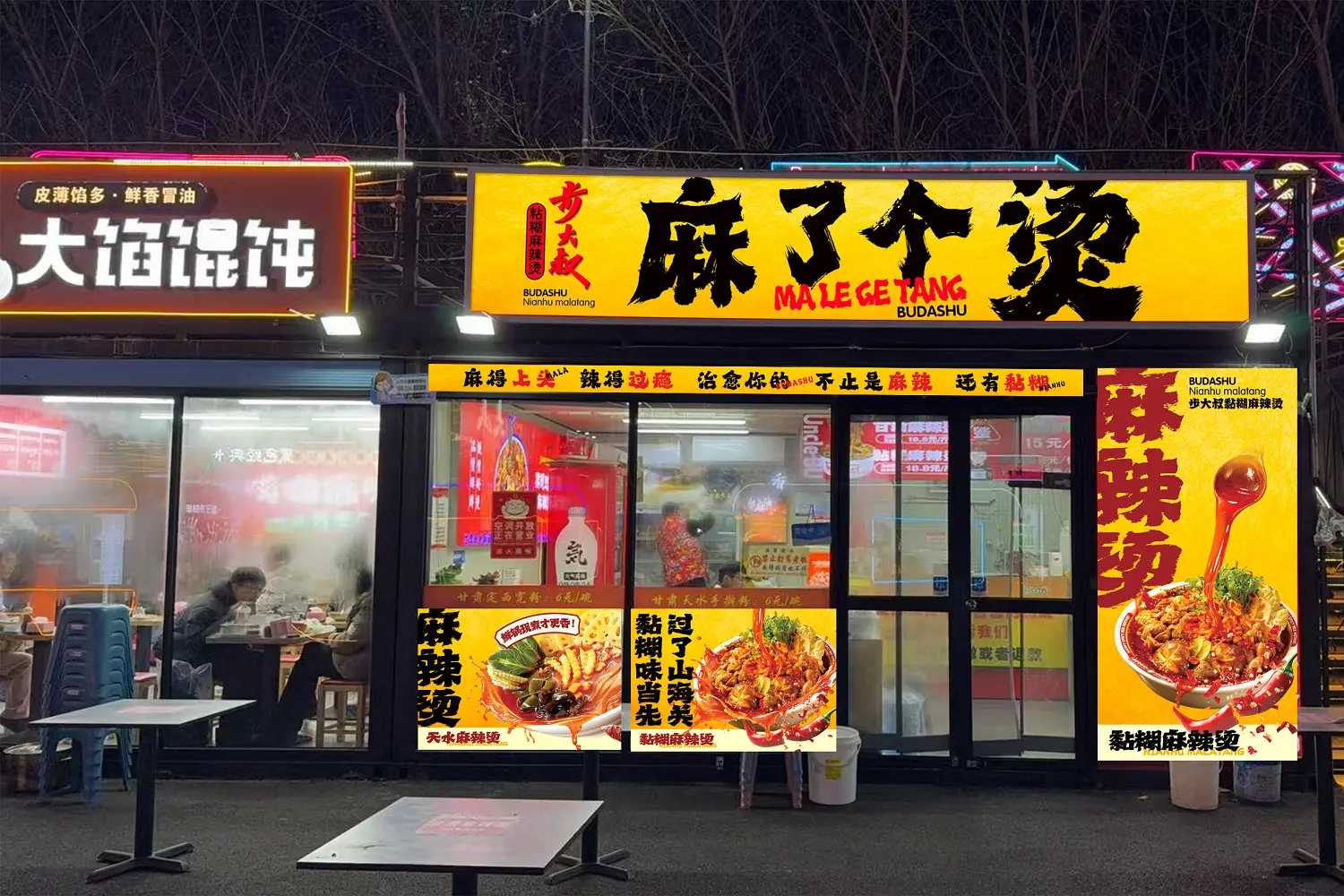
Street Food, Authentic Mala Tang, and Comforting Japanese Cuisine for Japanese Buyers
For Japanese buyers visiting Yiwu, Zhejiang, for sourcing and procurement, the city is much more than the world’s largest wholesale hub for small commodities. It is also one of China’s most diverse culinary melting pots.
After spending an entire day walking through Yiwu International Trade Market (Futian Market)—often easily exceeding 10,000 steps—finding food that is delicious, convenient, efficient, and comfortable can make a significant difference to the quality of a business trip. This guide introduces the food culture that Japanese buyers can experience in Yiwu, with a particular focus on Mala Tang, a dish that has become increasingly popular in both China and Japan. For travelers who prefer familiar flavors, we also introduce quality Japanese restaurants and izakaya options available locally.
1. Why Yiwu’s Food Culture Appeals to Japanese Business Travelers
Many Japanese buyers visiting Yiwu for the first time may imagine the city as a place dominated by fast food and quick meals. In reality, Yiwu offers a remarkably diverse and welcoming food environment.
- Speed and convenience: Yiwu has developed a highly practical dining culture that fits the city’s fast business rhythm. Weight-based self-service cafeterias, for example, allow customers to select food, pay by weight, and eat almost immediately. Their clean and efficient format is particularly well suited to Japanese buyers who value punctuality and efficient time management.
- A truly global mix of flavors: People from across China and more than 100 countries and regions conduct business in Yiwu. As a result, visitors can easily find regional Chinese cuisines, including Zhejiang, Sichuan, Cantonese, Hunan, and Northeastern Chinese cuisine, alongside authentic Middle Eastern kebabs, Indian curry, and many other international cuisines.
- Digital convenience and cleanliness: Most restaurants support cashless payment through WeChat Pay or Alipay, and foreign-issued credit cards can be linked to these apps in many cases. Restaurants catering to international customers are often bright and clean, with photo menus that significantly reduce the language barrier and psychological hurdle of dining abroad.
2. The Yiwu Mala Tang Experience—From a Japanese Trend to the Real Thing in China
If you follow Japan’s recent restaurant trends, you have probably noticed the growing popularity of Mala Tang in areas such as Okubo, Ikebukuro, and Ueno in Tokyo, particularly among younger women and business professionals. In Yiwu, you can experience the original Chinese version of Mala Tang, with an even wider range of ingredients and customization options.
Why should Mala Tang be at the top of a Japanese buyer’s food list?
- Complete freedom of customization: Much like selecting product samples in Yiwu’s markets, ordering Mala Tang begins with a pair of large tongs and a bowl. Display cases are filled with dozens of fresh vegetables, mushrooms, seafood, meats, tofu products, and different types of fish and meat balls. You simply select whatever suits your appetite and preferences.
- Adjustable spice levels for Japanese palates: If you are worried that Mala Tang will be overwhelmingly spicy, there is no need to be. Many restaurants offer bone broth or rich broth without chili, tomato soup, and mild spice levels. A rich pork- or chicken-based broth combined with generous amounts of sesame paste creates a creamy, savory soup that is often surprisingly approachable for Japanese diners.
- A business model worth observing: Select ingredients → weigh them → cook in an open kitchen → serve quickly. This highly modularized, standardized, and transparent operating model is a good example of how China’s highly optimized supply-chain thinking has been applied to the food-service industry.
Japanese Buyer Tip: How to Order Mala Tang
Ingredients worth trying: Fried tofu or frozen tofu, which absorb the soup beautifully; wide glass noodles or sweet-potato starch noodles for a chewy texture; fresh water spinach; and shrimp paste or shrimp balls.
What to say when ordering: If you do not like spicy food, simply tell the staff “微辣” (mildly spicy) or “不要辣,加芝麻酱” (no chili, add sesame paste).
3. Other Must-Try Foods for a Business Trip in Yiwu
Beyond Mala Tang, here are some practical dining ideas for breakfast, lunch, and dinner during your sourcing trip.
1. Breakfast and Energy Boost: Yiwu Noodles and Donghe Meat Pancake
- What to expect: Traditional hand-pulled Yiwu noodles are served in a clear, flavorful broth and pair particularly well with the thin and crispy Donghe meat pancake.
- The experience: For Japanese diners accustomed to wheat-based noodle dishes, this simple yet carefully prepared Chinese comfort food can make an excellent local breakfast.
- Hotels, particularly four-star and above properties, also generally offer extensive breakfast buffets. At prices comparable to many Japanese business hotels, travelers can enjoy a wide variety of Chinese breakfast dishes, with menus often changing from day to day.
2. Business Lunch: Weight-Based Self-Service Cafeterias at Yiwu International Trade Market
- What to expect: High-quality self-service cafeterias can be found throughout Yiwu International Trade Market, including areas such as District 2.
- The experience: Between 60 and 100 different dishes may be displayed in a single line and sold at a uniform weight-based price, such as RMB 2.98 per 50 grams. The bright, clean environment and efficient service make these cafeterias ideal for a quick lunch before returning to afternoon sample inspections.
3. Evening Dining and Team Dinners: Authentic Middle Eastern Cuisine
- What to expect: Yiwu is home to an unusually large selection of authentic Arab and Turkish restaurants, including establishments such as Sultan Turkish Restaurant.
- The experience: Charcoal-grilled lamb kebabs, freshly baked large flatbreads, and creamy hummus create an atmosphere that feels distinctly international. Combined with professional service, this makes Middle Eastern cuisine particularly suitable for dinners with colleagues or suppliers.
- If Middle Eastern food is not your preference, including for guests who do not drink alcohol, Chinese cuisine—especially modern or fusion-style Chinese restaurants—is another good choice. Many restaurants offer relatively light seasoning that works well for Japanese diners.
Recommended Chinese Restaurants (Fusion / Local Cuisine):
-
Wuzhouli Xiuhuyan — Yiwu Chaoyangmen Branch
- Atmosphere: Designed in the style of a Song-dynasty garden, the restaurant features beautiful bridges, flowing water, and traditional-style dance performances in the evening. Shows can be viewed from the first-floor hall, while the second and third floors offer private dining rooms. The refined atmosphere makes it suitable for business entertainment.
- Signature dishes: Braised pork with preserved vegetables, fruitwood-roasted Peking duck, “Jie Jie” fish head hotpot, and traditional nourishing frog soup. The restaurant focuses on authentic Wuzhou and Jiangsu-Zhejiang cuisine, characterized by fresh ingredients and relatively delicate, light seasoning.
-
Haigang Doulao — Dadu Branch
- What to expect: A clean individual hotpot dining format where each guest has their own pot. Fresh seafood is a major attraction, including prawns, grouper, and Australian lobster. The Cantonese-style claypot rice with preserved meats is also highly regarded. Open until 3:00 a.m., it is a practical choice for a late-night meal.
4. For Familiar Flavors—Quality Japanese Restaurants and Izakaya in Yiwu
During a busy business trip, some travelers simply want a familiar meal or a place where they can relax after a long day. Yiwu offers plenty of options for Japanese visitors who want that sense of familiarity. As a highly internationalized city, Yiwu has a considerable selection of quality Japanese restaurants and izakaya, ranging from fresh sashimi and sushi to yakitori and Japanese sake.
-
Yuzu Japanese Cuisine — Yiwu Branch
- A well-regarded, established Japanese restaurant in Yiwu, located near commercial areas such as Jindu Junlan Hotel. The sashimi platters are known for freshness, while the tempura and grilled eel demonstrate careful preparation. Private rooms are also available, making it suitable for business entertainment and buyers who place a high value on food quality.
-
Shenmo Shanhai Cuisine — Chaoyangmen Branch
- The restaurant features a Hello Kitty-themed Japanese wooden interior that is highly photogenic and popular on social media. Seating includes both a counter and private rooms. Signature dishes include fresh sea urchin, sea urchin rice, M9 Wagyu sukiyaki, sushi, and assorted yakitori. The ingredients are fresh, with the sea urchin being a particular highlight.
-
Izakaya in Yiwu’s Commercial Areas
- Areas such as Yiwu Tiandi, Zhixincheng, and the vicinity of Yiwu International Trade Market are home to many Japanese-style izakaya. You can find yakitori, sashimi, Japanese sake, and draft beer, making them ideal places to relax with a cold beer and a few skewers of yakitori after a full day of business meetings and market visits.
-
Japanese Ramen and Set-Meal Restaurants
- When lunch time is limited, fast-casual chains inside shopping malls can be a practical choice. Options include tonkotsu ramen, Japanese curry rice, and tonkatsu set meals. Service is fast and standardized, making it easy to enjoy flavors that are often comparable to those found in Japan.
5. Practical Dining Guide for Japanese Buyers in Yiwu
| Item | Practical Advice |
|---|---|
| Payment | Before your trip, install WeChat Pay or Alipay on your smartphone and link a Japanese credit card such as Visa, Mastercard, or JCB. In many cases, this allows you to travel without carrying much cash. |
| Language and Ordering | Many restaurants use table-side QR codes for ordering, often with photos of the dishes. Combined with a translation app, this makes ordering relatively easy even if you do not speak Chinese. |
| Timing | Try to avoid the busiest lunch period in the market area, particularly 12:00–12:45. Arriving before 11:30 or waiting until after 13:00 can make the dining experience considerably more comfortable. |
| Food Safety | For greater peace of mind, consider restaurants inside shopping malls such as Yiwu Heart, Yiwu Tiandi, and Xingguanghui, cafeterias inside the market, or well-known restaurant chains. These options generally provide greater consistency in hygiene and quality. |
Conclusion
A successful sourcing trip to Yiwu is not only about purchase orders and ROI. It is also about experiencing the energy and character of this international commercial city with your own senses.
From Mala Tang, loved both on the streets of Japan and in its Chinese birthplace, to Middle Eastern cuisine shaped by flavors from around the world, and authentic Japanese food that provides a familiar sense of comfort, Yiwu welcomes business travelers from afar with remarkable openness.
The next time you visit Yiwu, after a busy day of market visits and supplier meetings, take some time to enjoy your own customized culinary journey, choosing the food that best matches your mood that day.