


What Are the Common Pitfalls Japanese Companies Face When Sourcing from Yiwu?
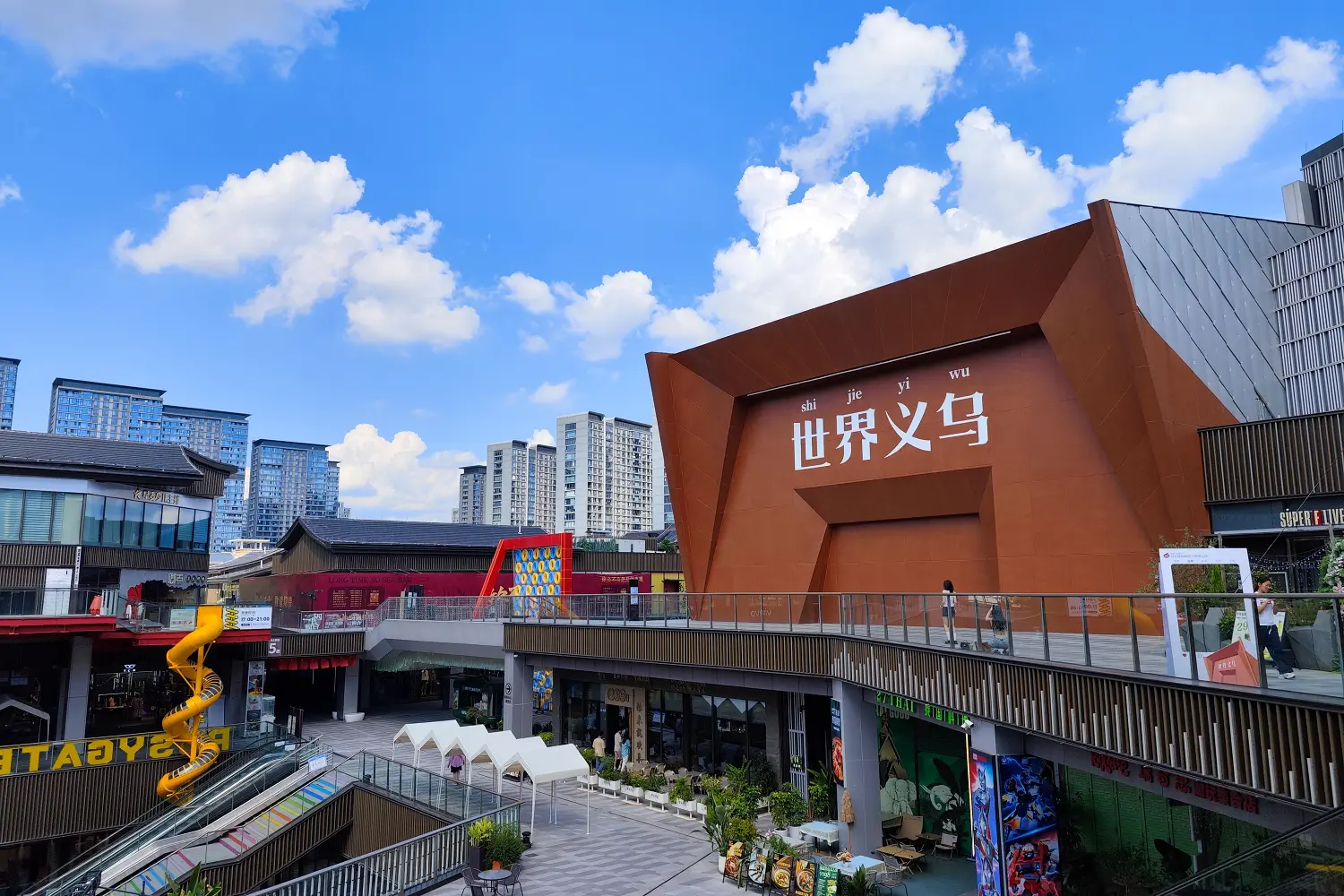
Yiwu is an important sourcing hub for many Japanese companies looking for general merchandise and consumer goods in China. The market offers an enormous variety of products, a high concentration of suppliers, and strong price competitiveness.
However, for Japanese companies without extensive experience sourcing from China, the real issue is not simply whether they can find products at a low price. The more important question is how to avoid risks that remain difficult to see during the sourcing process but can ultimately lead to significant losses.
This article is not a collection of generic sourcing tips.
We are based in Yiwu and have provided sourcing and supply chain services to Japanese companies for more than 20 years. Drawing on this experience, we have identified problems that repeatedly occur in actual sourcing operations. We also interviewed several experienced staff members who have worked with Japanese customers for many years to identify risks that have actually emerged in the field.
The four risks introduced below are practical lessons developed through years of hands-on sourcing experience in Yiwu.
Risk 1: The Sample Is Fine, but Problems Appear in Mass Production
This is one of the most common risks in Yiwu sourcing.
Even after a customer has checked and approved a sample, the mass-produced goods may arrive with differences in materials, color, dimensions, finishing, or packaging.
This does not necessarily mean that the supplier intentionally acted improperly.
Some samples may be provided from existing inventory, while production needs to be arranged separately after the formal order is received. Suppliers may also change materials or simplify certain production processes during mass production in order to control costs or respond to raw material availability.
This is particularly important when selling in Japan. A defect that a supplier considers a “minor issue” or “not a quality problem” may still fail to meet Japanese market standards.
There is another important point: good quality on the first order does not necessarily mean the same quality will be maintained on the second or third order. Changes in raw material lots, production personnel, or production schedules can result in quality variations between batches.
Therefore, after approving a sample, it is essential to turn the sample into clear quality standards.
- Materials, dimensions, color, functions, and packaging
- Acceptable tolerance ranges
- Inspection standards, such as AQL levels
These requirements should be agreed upon in writing before formal production begins, followed by pre-shipment inspection based on the agreed standards.
A sample should not be the end point of sourcing. It should be the starting point of quality control.
To manage quality risks more effectively, it is also useful to improve supply chain transparency.
Before production begins, companies should understand the supplier’s production management system and confirm whether raw materials can be traced. This can help reduce the risk of quality fluctuations between production lots. Incorporating production progress checks and in-process inspections can also help identify potential problems before mass-produced goods are completed.
Risk 2: Being Able to Source a Product Does Not Mean You Can Sell It in Japan
One issue that Japanese companies often overlook is compliance with Japanese laws and regulations.
Yiwu offers an enormous variety of products, but being able to source a product and being legally able to sell it in Japan are two different issues.
Particular attention is required for the following categories:
- Electrical products subject to Japan’s Electrical Appliances and Materials Safety Act and PSE requirements
- Food-contact utensils, containers, and packaging subject to the Food Sanitation Act
- Products for infants and young children subject to the Food Sanitation Act and Consumer Product Safety Act
- Cosmetics subject to the Pharmaceuticals and Medical Devices Act
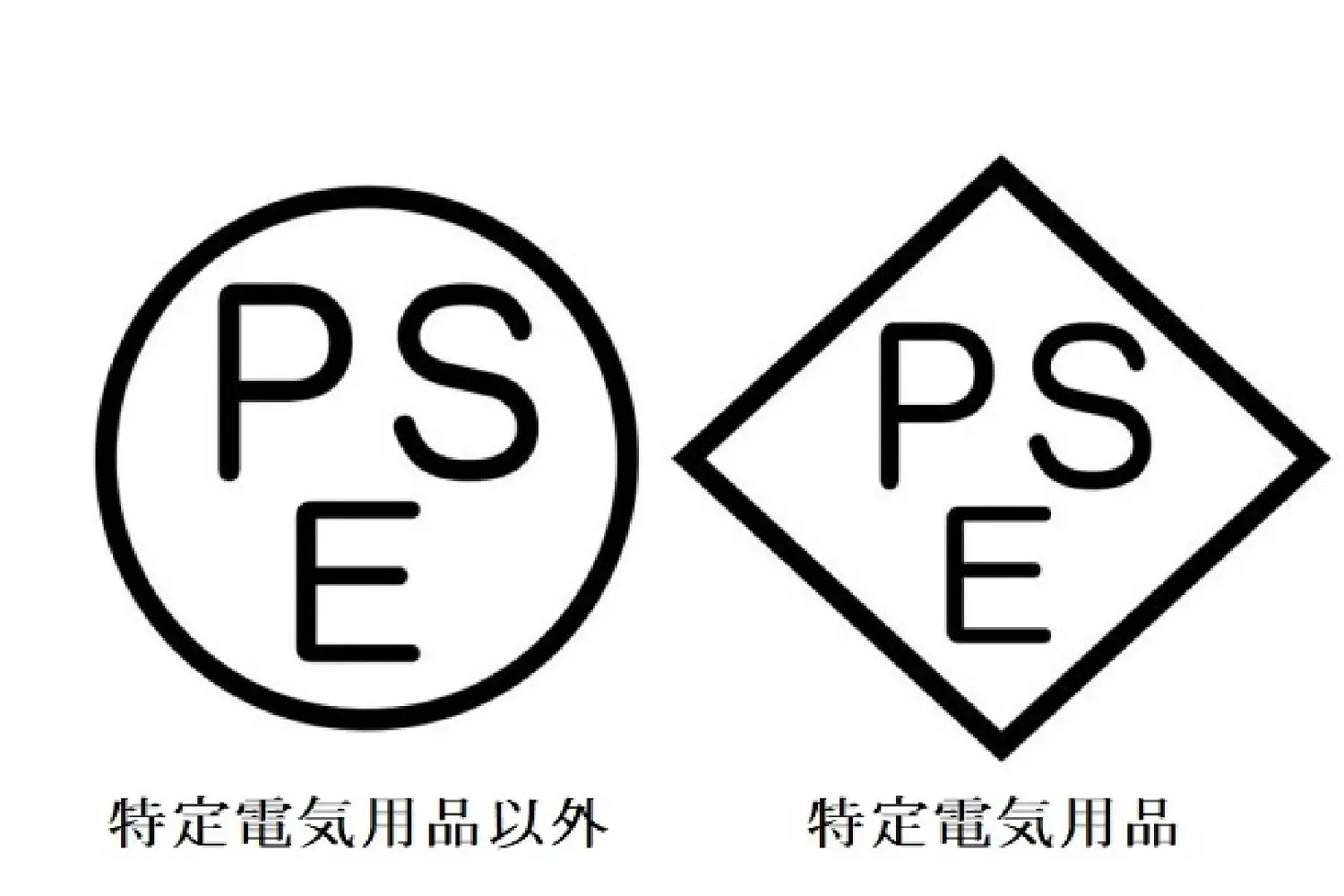
In actual sourcing operations, suppliers may claim that a product is “certified” or that “test reports are available.” However, documents provided by the supplier do not necessarily demonstrate compliance with Japanese regulations.
A product may comply with Chinese domestic standards such as GB standards or with European or U.S. standards, while still failing to meet Japanese requirements.
Export controls must also be considered. China has strengthened export controls for dual-use items, meaning items that can be used for both civilian and military purposes. Depending on the product and its end use, export authorization may be required.
Therefore, compliance checks should begin at the product selection, quotation, and sample-development stages, rather than immediately before shipment.
If a regulatory problem or missing documentation is discovered after production has been completed or logistics arrangements have already been made:
- Correction costs can increase significantly
- Delivery delays may occur
- In the worst case, the goods may be refused for import or disposed of
All of these issues can lead to a substantial increase in total sourcing costs.
To manage compliance risks systematically, companies should establish an internal regulatory review process.This may include:
- Mapping the applicable regulations for each product, such as PSE, the Food Sanitation Act, and the Product Liability Act
- Conducting an initial review of supplier-provided documentation, followed by a secondary review by qualified specialists or testing organizations
- Confirming Japanese import customs requirements in advance, including tariff classification, certificates of origin, and labeling obligations
By standardizing these processes as part of the sourcing workflow, companies can prevent unexpected compliance issues from appearing immediately before shipment.
Risk 3: Focusing Only on the Product Price and Missing the True Sourcing Cost
“How much is this product?”
This is one of the first questions many customers ask. But the quoted product price is not necessarily the true sourcing cost.
In an actual sourcing process, many factors can affect the final cost:
| Cost Factor | What It Includes |
|---|---|
| MOQ (Minimum Order Quantity) | Ordering more than the sales plan requires can create inventory risk |
| Packaging | Ordering more than the sales plan requires can create |
| Logistics Costs | Ocean or air freight and domestic delivery |
| Inspection Costs | Fees for third-party inspection services |
| Warehouse Storage Costs | Storage fees caused by long-term inventory |
| Quality Problem Costs | Handling defective goods and customer complaints |
| Financing Costs | Cash-flow pressure caused by slow-moving inventory |
Therefore, when comparing suppliers, it is essential to compare the same specifications and the same conditions, rather than simply comparing the unit prices shown on quotations.
Ordering large quantities simply because the unit price is lower may appear attractive at first, but it can also lead to:
- Higher warehouse storage costs
- Greater pressure on cash flow
- Obsolescence risk, particularly for trend-sensitive products
Once these factors are taken into account, the total cost may actually increase.
For a more detailed analysis of this issue, please see our separate article, “Total Sourcing Cost in Yiwu: What Really Matters | Yiwu Sourcing“
Risk 4: Choosing the Wrong Sourcing Partner Because Their Service Fee Is Lower
For Japanese companies without sourcing experience in Yiwu, using a professional sourcing agent or buyer’s agent can be a practical option.
Typical services include:
- Supplier sourcing
- Price negotiation and order coordination
- Quality control and inspection
- Shipment arrangements and documentation
However, comparing sourcing agents based only on their service fee can cause companies to overlook the factors that actually matter.
For example:
- Company A: 5% service fee
- Company B: 1% service fee
At first glance, Company B appears to be cheaper. But several other questions need to be considered:
- Is the purchase price transparent?
- Is the supplier selection process appropriate?
- How deeply does the company become involved in quality control?
- Who is responsible for handling problems when they occur?
One point deserves particular attention: some sourcing agents provide only product searching, interpretation, and order placement, with their service effectively ending when the goods are handed over for shipment.
For Japanese companies, what really matters is:
Not the service fee itself, but whether the sourcing partner has a system for continuously managing suppliers, quality, and shipments from the Japanese customer’s perspective.
lower service fee does not necessarily mean lower cost, and it does not necessarily mean lower risk.
When evaluating a sourcing partner, we recommend considering the following factors together:
- Track Record and Expertise: Experience exporting to Japan and knowledge of the relevant product categories
- Quality Management: Whether the company has its own inspection system and works with third-party inspection organizations
- Network: The breadth and depth of its supplier network in Yiwu
- Risk Response: Escalation procedures and response speed when problems occur
- Transparency: The level of disclosure regarding purchase prices and cost structures
Building a relationship around long-term partnership rather than one-off transactions can also contribute to greater sourcing stability over time.
How Can Japanese Companies Reduce These Risks When Sourcing from Yiwu?
Based on more than 20 years of hands-on experience, one thing is clear: sourcing risks cannot be solved simply by finding a “good supplier.”
A more reliable approach is to establish firm controls at each critical point in the sourcing process:
Sample Approval → Compliance Check → Production Management → Pre-Shipment Inspection → Payment Management
- After sample approval: Clearly define the quality standards for mass production and retain the approved sample when necessary.
- Before placing the formal order: Confirm that the product complies with Japanese laws and regulations concerning import and sale, as well as applicable labeling requirements. Waiting until production is complete is too late.
- During production: For made-to-order products and important orders, monitor production progress and quality conditions at appropriate intervals.
- Before shipment: Conduct inspection according to the standards agreed upon in advance. Depending on the product characteristics and order size, use sampling inspection, focused inspection, or 100% inspection as appropriate.
- Payment terms: When dealing directly with local suppliers, it is recommended to request payment of the remaining balance after delivery and inspection. A supplier willing to accept this condition may also demonstrate confidence in its quality and delivery performance. At the same time, quality requirements, delivery schedules, and procedures for handling abnormalities should be clearly stated in the purchase order or contract.
These measures may not appear particularly complicated. What matters most is that each process is carried out responsibly and established as an ongoing management system.
The Real Challenge of Yiwu Sourcing Is Not Finding Cheap Products
One of Yiwu’s greatest strengths is the high concentration of suppliers and product resources.
However, having more suppliers and more products also means that buyers need to make more choices and manage more processe.
After more than 20 years of supporting Japanese companies in Yiwu and working with customers of different sizes and sourcing models, we have found that many sourcing problems do not occur when a product cannot be found. They occur after the product has already been found:
- The sample has not been converted into clear quality standards
- The supplier’s capabilities have not been sufficiently verified
- Compliance problems are discovered too late
- Necessary inspections have not been carried out in Yiwu
When these problems are discovered after the goods have arrived in Japan, the cost of resolving them can increase dramatically.
Therefore, the question Japanese companies should really ask when sourcing from Yiwu is not:
“How much does this product cost?”
but:
“Can this product be delivered to Japan consistently while maintaining a competitive price and meeting the agreed quality, delivery schedule, packaging specifications, and logistics requirements?”
This is the basic standard we have developed through more than 20 years of supporting Japanese companies in Yiwu.
The true value of Yiwu sourcing is not simply finding a cheaper product. It is building a more stable and controllable sourcing process—in other words, a reliable supply chain.
The Overall Picture of Sourcing Risk Management
When the four major risks and their countermeasures are considered together, the essence of risk management in Yiwu sourcing can be summarized as making the process visible and controllable.
- Quality Visibility: A consistent flow from sample → quality standards → inspection
- Cost Visibility: Understanding the entire cost structure rather than looking only at the unit price
- Regulatory Visibility: Conducting compliance checks from the product selection stage
- Partner Visibility: Evaluating the service structure and capabilities rather than looking only at the service fee
Building systems that make these areas visible and controllable is the key to successful sourcing from Yiwu.